Finding Inner Calm Amidst Life's Tempests
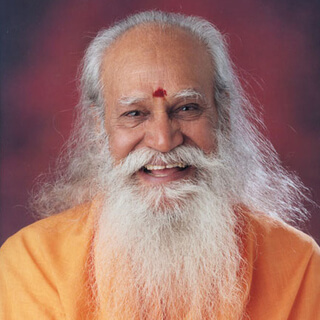
Swami Satchidananda's profound statement, "The storm is outside. Peace is inside," invites us to explore the dichotomy between external chaos and internal serenity. In a world often fraught with turmoil—be it personal challenges, societal upheavals, or global crises—this quote serves as a reminder of the sanctuary that exists within us. It emphasizes the importance of cultivating an inner peace that remains unshaken by the storms that rage around us, urging us to look inward for solace and strength.
As we navigate the complexities of modern life, the relevance of Satchidananda's words becomes increasingly apparent. The external world can feel overwhelming, filled with noise and distraction that can easily disrupt our sense of tranquility. Yet, the invitation to seek peace within ourselves is not merely a passive suggestion; it is a call to action. By recognizing that the true source of our calm lies within, we can develop resilience and a deeper understanding of our own nature, ultimately leading to a more harmonious existence.
The image / the metaphor
The imagery in Satchidananda's quote evokes a vivid contrast between the tumultuous forces of nature and the stillness of the human spirit. The "storm" symbolizes the unpredictable and often violent events that can occur in our lives, while "peace" represents the quietude and stability that can be found within. The verbs chosen—"is" and "inside"—suggest a state of being that is not contingent upon external circumstances. This distinction highlights the importance of recognizing where our true power lies: not in controlling the storm, but in nurturing the peace that resides within us.
In the speaker's tradition
Swami Satchidananda was a prominent figure in the integral yoga tradition, which emphasizes the holistic integration of body, mind, and spirit. Central to this philosophy is the concept of dharma, or one's rightful path, which encourages individuals to align their actions with their true nature. The notion of inner peace as a refuge amidst external turmoil resonates deeply with the principles of integral yoga, where the cultivation of self-awareness and mindfulness is paramount. This practice fosters a sense of connection to the divine, allowing practitioners to experience a state of bhakti, or devotion, that nurtures inner tranquility.
In the context of integral yoga, we can draw parallels to the Buddhist concept of sunyata, or emptiness, which teaches that our perceptions of reality are often clouded by attachment and aversion. By recognizing the impermanence of external circumstances, we can cultivate a sense of detachment that allows us to access the peace within. Texts such as the Yoga Sutras of Patanjali emphasize the importance of stilling the fluctuations of the mind, guiding practitioners toward a state of inner calm that mirrors Satchidananda's assertion. This alignment of thought and action fosters a profound sense of peace that can withstand the storms of life.
Living the teaching
Consider a modern scenario where this teaching can be applied: a hectic day at work filled with deadlines, unexpected challenges, and interpersonal conflicts. In such moments, it is easy to become overwhelmed by the external pressures that seem to dictate our emotional state. However, by consciously choosing to turn inward and access our inner peace, we can navigate these challenges with greater clarity and composure. This practice of grounding ourselves amidst chaos not only enhances our ability to respond effectively but also serves as a model for those around us, creating a ripple effect of calm.
Another application of this teaching can be found in personal relationships, particularly during moments of conflict or misunderstanding. When faced with heated emotions or disagreements, it is often tempting to react impulsively, allowing the storm of feelings to dictate our responses. Yet, by taking a step back and reconnecting with our inner peace, we can approach the situation with empathy and understanding. This shift in perspective fosters healthier communication and deeper connections, illustrating how the cultivation of inner tranquility can transform our interactions with others.
A reflection
As we contemplate Satchidananda's words, we are invited to reflect on our own experiences of inner peace amidst external chaos. What practices or habits can we cultivate to strengthen our connection to this inner sanctuary? In moments of turmoil, how can we remind ourselves to seek solace within rather than becoming engulfed by the storms around us? These questions encourage us to explore the depths of our own being, fostering a journey toward greater self-awareness and resilience.


Join the BrightStar Community
Stay connected with daily inspiration, event announcements, and community wisdom