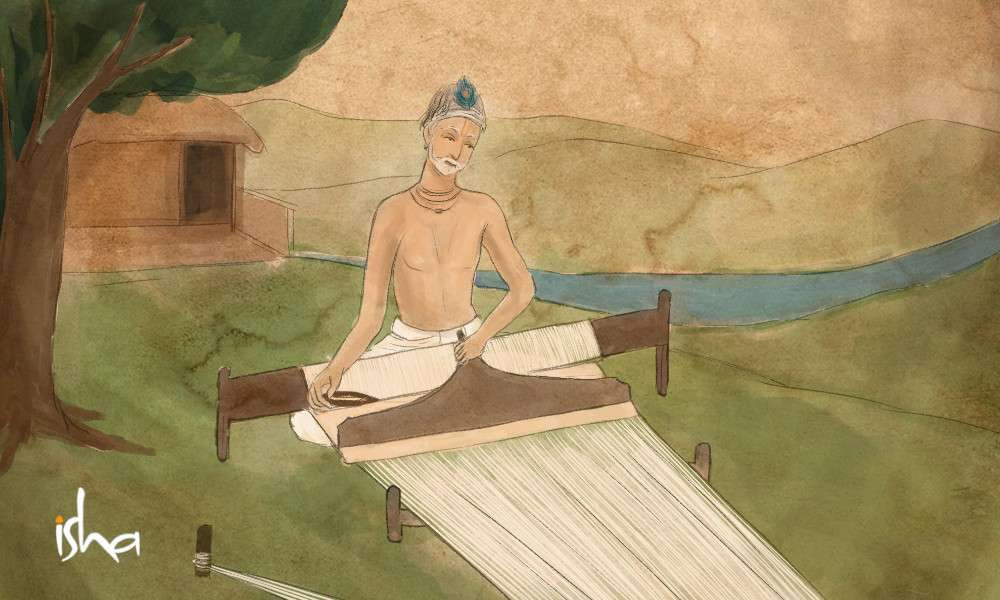
Unity in the Infinite: The Wisdom of Kabir
Kabir's profound assertion, "The drop is in the sea, and the sea is in the drop," invites us to contemplate the intricate relationship between the individual and the universal. This metaphor encapsulates the essence of unity, suggesting that each individual soul is both a part of the greater whole and a reflection of it. The stakes of this realization are high; understanding this interconnectedness can lead to a transformative experience, fostering compassion and a deeper sense of belonging in a world often marked by division.
As we delve deeper into this wisdom, we uncover layers of meaning that resonate with the core of human experience. The imagery of the drop and the sea evokes a sense of intimacy and vastness, urging us to recognize that our individual lives are not isolated entities but rather integral components of a larger tapestry. This realization can inspire a shift in perspective, encouraging us to embrace our shared humanity and the divine essence that flows through all beings.
The image / the metaphor
The imagery of the drop and the sea is rich and evocative, conjuring feelings of both individuality and universality. The drop, a singular entity, represents the individual self, while the sea symbolizes the boundless expanse of existence. The verbs "is in" and "in" suggest a profound interpenetration, indicating that the essence of the sea resides within the drop, just as the drop is an integral part of the sea. This duality captures the paradox of existence: we are both distinct and unified, separate yet inseparable.
Diving deeper into this metaphor, we can explore the implications of such unity. The drop, though small, carries the same qualities as the sea—its saltiness, its fluidity, and its capacity to nurture life. This suggests that within each individual lies the potential for the vastness of the universe. The metaphor invites us to reflect on our own lives, encouraging us to recognize the divine spark within ourselves and others, fostering a sense of reverence for the interconnectedness of all beings.
In the speaker's tradition
Kabir's teachings emerge from the rich soil of the bhakti tradition, which emphasizes devotion and the personal relationship with the divine. Central to this tradition is the concept of unity with the divine, often expressed through the lens of love and surrender. The idea of "fana," or annihilation of the self in the divine, resonates deeply with Kabir's assertion. In recognizing that the drop and the sea are one, we are invited to dissolve the boundaries of the ego and experience the oneness that pervades all existence.
In the context of Kabir's work, we can draw parallels to the teachings found in the *Bhagavad Gita*, where the notion of *samatva*, or equanimity, is emphasized. Just as Kabir speaks of the drop and the sea, the Gita teaches that the wise see all beings as equal, transcending the dualities of life. This shared understanding of unity serves as a foundation for compassion and love, guiding us toward a more harmonious existence.
Living the teaching
Consider a modern scenario where this teaching can be applied: in a workplace filled with diverse perspectives and personalities. When conflicts arise, recognizing that each individual is a drop in the same sea can foster empathy and understanding. Instead of viewing colleagues as adversaries, one can approach interactions with the awareness that beneath the surface differences lies a shared humanity, encouraging collaboration and harmony.
In the realm of personal relationships, the teaching of unity can transform how we navigate challenges. During moments of disagreement with a loved one, remembering that both partners are drops in the same sea can help to dissolve the barriers of pride and resentment. This perspective invites a deeper connection, allowing for forgiveness and understanding to flourish, as both individuals recognize their shared essence and the love that binds them.
A reflection
As we contemplate Kabir's wisdom, we are invited to ask ourselves: How can I cultivate a deeper awareness of the interconnectedness of all beings in my daily life? This question encourages us to reflect on our actions, thoughts, and relationships, prompting us to seek ways to embody the unity that Kabir so beautifully articulates. In doing so, we may find ourselves more attuned to the divine presence within ourselves and others, fostering a life of compassion and love.



Join the BrightStar Community
Stay connected with daily inspiration, event announcements, and community wisdom